Welcome to the FitLife Nutrition Blog! Here you will find tips, recipes, and information about nutrition to fuel your busy lifestyle. Enjoy!

Moderated by:
Prashila Mistry, MS, RD, CLEC
FitLife Registered Dietitian
email: psmistry@ucsd.edu
Showing posts with label fitlife. Show all posts

Monday, April 27, 2015

Breakfast: Is it Really That Important?

Is the age old saying true for college students? Is breakfast really the most important meal of the day?
The answer is it all depends on your personal wellness goals.  Recent studies suggest breakfast is important for maintaining healthy weight and for weight loss.  According to one study, conducted at the University of Bath, breakfast skippers tend to be more lethargic and less active in the morning. This study also found that those who skipped breakfast ate less over the course of the day than did breakfast-eaters, however they also burned fewer calories. So if weight loss or weight management is important to you then a healthy breakfast should be incorporated as part of your morning routine.

As a dietetic intern, I always recommend starting your day with a balanced breakfast containing a combination of healthy protein and carbohydrates.  Here are some reasons why:

  • If you skip breakfast you are more likely to snack on foods that are high in fat and sugar before lunch.
  • People who skip breakfast are unlikely to make up their daily requirement for some vitamins and minerals that a simple breakfast would have provided.
  • Breakfast provides energy for the activities during the morning and helps to prevent that mid-morning slump.

Tips on Eating a Quick and Healthy Breakfast
Tip #1. Pick 2-3 ingredients and or foods (vary your ingredients selecting different food groups)

  • Protein: egg, tofu, nuts
  • Grains: oatmeal, bread, cereal
  • Fruits/Vegetables
  • Dairy: yogurt, low fat milk

If you are crunched for time: layer up a to-go parfait, grab a container, on the bottom add 1 cup of your favorite yogurt, then add ½ cup granola, top off with seasonal fruits and a handful of nuts.  Viola- breakfast to go. 

Tip #2. When you are at the grocery store, pick up portable breakfast items. If you have a fridge, stock up on low-fat yogurt (hint: the ~ 32oz container is cheaper per ounce than the individual 8oz containers and takes up less room the fridge). Other items to pick up that are quick and on the go are whole grain breakfast bars, or granola bars and nuts for those mornings when you have to eat breakfast on the go. Check out the recipe below on how to make your on breakfast bar.

Tip #3. Plan ahead to eat breakfast.  This means you should decide what you are going to eat for breakfast before the next morning.  You can save time by putting out the box of cereal or cutting up some fruit the night before.

Healthy 5-Ingredient Granola Bars Recipe 
Healthy, no bake granola bars with just 5 ingredients and a sweet, crunchy texture. Peanut butter and honey complement each other perfectly in this ideal portable breakfast or snack.

Author: Minimalist Baker
5 Ingredient Granola Bars | GF VEGAN optional
Image source: http://minimalistbaker.com
Yield: 10 bars

Ingredients

  • 1 cup packed dates, pitted (deglet nour or medjool)
  • 1/4 cup honey (or sub maple syrup or agave for vegan option)
  • 1/4 cup creamy salted natural peanut butter or almond butter
  • 1 cup roasted unsalted almonds, loosely chopped
  • 1 1/2 cups rolled oats (gluten free)
  • optional additions: chocolate chips, dried fruit, nuts, banana chips, vanilla, etc.

Instructions

  • Process dates in a food processor until small bits remain (about 1 minute). It should form a "dough" like consistency. 
  • Optional step: Toast your oats (if you like the toasted flavor) in a 350 degree oven for 15-ish minutes or until slightly golden brown. Otherwise, leave them raw.
  • Place oats, almonds and dates in a bowl - set aside.
  • Warm honey and peanut butter in a small saucepan over low heat. Stir and pour over oat mixture and then mix, breaking up the dates to disperse throughout.
  • Once thoroughly mixed, transfer to an 8x8 dish or other small pan lined with plastic wrap or parchment paper so they lift out easily. (A loaf pan might work, but will yield thicker bars.)
  • Press down until uniformly flattened. Cover with parchment or plastic wrap, and let set in fridge or freezer for 15-20 minutes to harden.
  • Remove bars from pan and chop into 10 even bars. Store in an airtight container for up to a few days. I kept mine in the freezer to keep them extra fresh, but it isn't necessary.

Guest blog submitted by: Jalak Patel, MS, Dietetic Intern at UC San Diego Medical Center and edited by FitLife Dietitian, Prashila Mistry, MS, RD, CLEC.

Wednesday, April 8, 2015

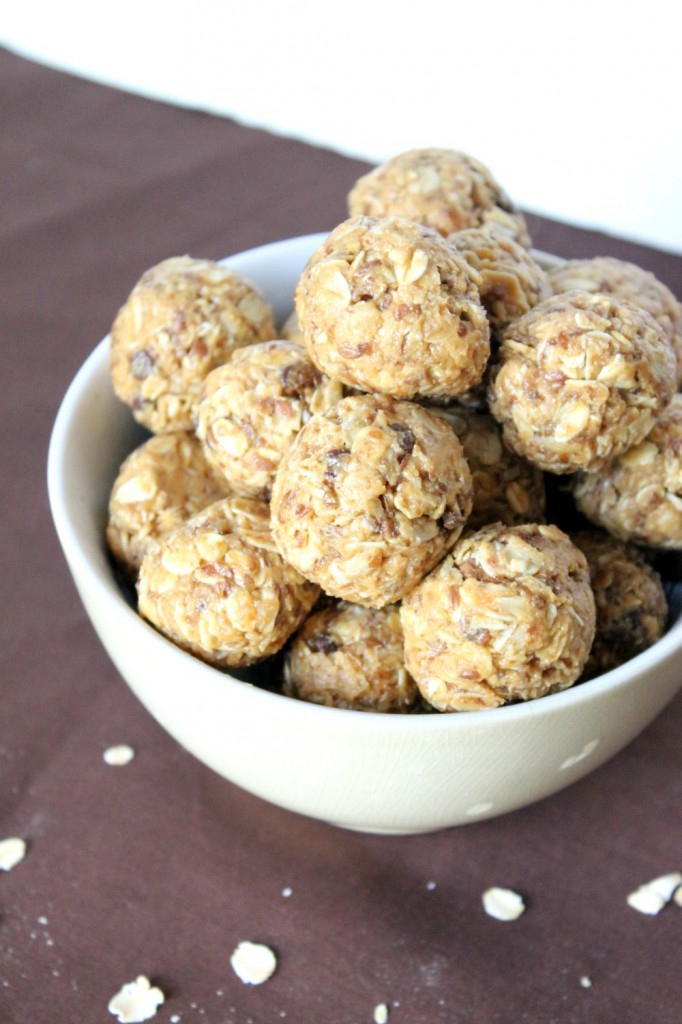
FitFEST Cooking Demo Recipe: Peanut Butter Oatmeal Energy Bites


Last week, UC San Diego FitLife put on FitFEST, an annual celebration of all things FitLife.  It is a two-day event featuring a sampling of many of the classes and workshops FitLife has to offer, including cooking demonstrations put on by the FitLife Dietitian, who just happens to be yours truly.

One of the biggest challenges to eating well that people share with me is a lack of time--a lack of time to shop for healthy foods, a lack of time to prepare food at home, even a lack of time to sit down and eat a meal.  Keeping this in mind, I developed my own twist on some quick and easy energy bite recipe.  It is a no-cook, simple recipe, with ingredients that can be easily and inexpensively purchased.  All items ingredients bought for this recipe were found at Trader Joes (we are no sponsored or supported by Trader Joes in any way).  These bites are jam-packed with whole grains, filling fiber, powerful protein, and satiating healthy fats.

Check out this quick and delicious recipe for an easy snack on the go!

Peanut Butter Oatmeal Energy Bites
image source: naturalchow.com

Yield: ~20 energy bites

Ingredients:

  • 1 Cup oats
  • ½ Cup peanut butter
  • ¼ Cup agave nectar
  • 1 Tbsp flax seeds
  • 1 Tsp vanilla
  • 2 Tbsp almond slivers 
  • ½ cup raisins or dried cranberries 
  • 1/3 Cup shredded coconut (optional)

Directions:

  1. Combine all ingredients in a large bowl
  2. Roll and compress the mixture into 1 inch rounds
  3. Refrigerate for 2-3 minutes until firm on a plate and transfer to an airtight container.
  4. Refrigerate and enjoy for up to 1 week.
I would love to read about your healthy snack ideas and recipes, please share some of your favorite nutritious and delicious snacks in the comments below.  Better yet, swing by my open office hours to chat about healthy snack alternatives on Wednesdays 2:30-3:30pm in the UCSD RIMAC weight room.


Tuesday, March 24, 2015

Tips on Tofu

Tofu is a lean vegetarian source of protein. It is considered the chameleon of foods, which stems from its versatility in textures and ability to absorb any type of flavor. What is tofu really, and where does it come from?

Tofu, otherwise known as bean curd, is a product made from soybeans, water, and coagulant that undergoes a similar process as that of cheese.  Originally from China, tofu has made its way around the world, and today it can be found almost anywhere in a variety of textures. There are four different varieties of tofu one can choose from: silken, soft, firm, and extra firm tofu, all of which contain a high nutritional value.
Image source: http://thescienceofeating.com

TYPE
TEXTURE
IDEAL FOR…
Silken
Creamy
Dips & Spreads
Soft
Gelatin-like
Desserts
Firm

General Cooking
Extra Firm
Rubbery
General Cooking

Some of the health benefits of tofu are a high protein and calcium content, B-vitamins, iron, isoflavones, low in sodium and fat, low calorie, and it is easily digested, all which make tofu a super packed dietary item (1).

Studies suggest that having a varied diet, especially one that limits saturated or animal fats, can lead to reduced risk of cardiovascular disease (3). As a plant-based product, tofu is naturally cholesterol free and contains very little saturated fat.  It is chock full of nutritional benefits for overall health.  It is easy to see why so many people include tofu in their diet.

          TOFU VS. MEAT   (4oz. servings)

TOFU
MEAT
Extra Firm
Soft
Ground Beef (80% lean)
Chicken Breast
(Skinless)
Fish
(Tilapia)
Calories
103
62
284
184
109
Protein (g)
11.2
5.4
19.2
34.5
22.8
Fat (g)
6.6
3.1
22.4
4.0
1.9
Saturated Fat (g)
0.6
0.4
8.6
1.1
0.6
Cholesterol (mg)
0
0
80
94
57
Sodium (mg)
9
6
75
444
59
Calcium (%DV)
20%
4%
2%
2%
1%
Iron (%DV)
12%
5%
12%
6%
4%

Tofu can be a versatile addition to one's diet, especially for vegetarians and vegans since it supplies them with protein and various nutrients their diet may lack otherwise.  Tofu is not only for vegetarians and vegans though.  Even the pickiest of carnivores can enjoy tofu if prepared to satisfy their own tastes; which can be rather easy since there are a plethora of ways tofu can be prepared and a wide-range of cuisines it can be incorporated into.  It is all a matter of experimenting with what textures and flavors work best for you.

Despite all of the benefits of tofu, there has been some controversy surrounding it. There is speculation that high levels of soy may contribute to some types of cancer. However, studies conclude that no actual evidence correlates this soybean-derived product to increased risks of cancer (2). On the contrary, these same studies suggest that some of the compounds found within tofu, or soybean derived products, are beneficial in the prevention of certain types of cancer (2).

Now, let’s dive in to the proper way to handle and cook tofu.  There are many different styles for cooking tofu and each utilizes a specific variety of tofu to make cooking it easier and better, it all depends on the recipe. However, tofu has to be prepped before being cooked, since it comes packaged in a container with water to help retain its freshness. This excess water can interfere with the flavoring and cooking process of the tofu, so a series of different steps are necessary in order to prepare the soft, firm, and extra firm tofu to its fullest potential.

Tofu Preparation Steps:

1. Drain the water in package.
2. Rinse the block of tofu carefully.
3. Dry the block of tofu by patting with a paper towel.
4. Freezing and thawing (optional, this provides the tofu with a more chewy texture).*
5. Press (duration varies; this helps remove excess water the tofu absorbed when packaged).*
6. Steam (for raw tofu, it helps decontaminate the tofu in the case it contains any bacteria).
7. Marinate (optional, can be either with a wet or dry rub; duration varies).
*For soft tofu, steps 4 & 5 are not necessary.
**Step 5, pressing the tofu can be done in two of the following manners. One way is to use a tofu presser, a device designed to squeeze excess water out of the tofu, or the other option is to use any heavy object you have available to act as a presser. For the second option, the tofu should be wrapped in paper towels and place on a level surface. Then you should place a plate on top of the tofu in order to create another flat surface on where you can place your heavy object and finish creating your own DIY tofu presser. For either method used to remove the excess water from the tofu, you should let it sit for about an hour in order to remove enough water. However, the longer the pressing of tofu takes, the better the removal of excess moisture and the less the moisture will interfere with your cooking; giving you as a result a tofu that is better at absorbing flavors.

Once the tofu is prepped you can ignite your creativity and start cooking with this highly versatile food item that can give you a wide variety of dishes due to its neutral slate and its ability to mimic any flavor you give to it. So now the sky is the limit for you to go ahead and experiment with flavors and styles of cooking this multipurpose food item we all know as tofu!

Extra Tips and Tricks:
  • The smaller you cube/cut the tofu, the better the crisp or absorbency of flavor.
  • Silken or Soft tofu can be used as a thickening agent.
Recipe Ideas:

Breakfast Tofu Scramble

Ingredients to serve 4 people:
  • 2 14-ounce containers extra-firm tofu, crumbled
  • ¼ cup nutritional yeast
  • 1 teaspoon sea salt
    Image source: berrybundle.wordpress.com
  • 1 teaspoon ground cumin
  • 1 teaspoon ground turmeric (gives the scramble a yellow color)
  • freshly ground black pepper to taste
  • 2 Tablespoons unrefined, cold-pressed olive oil, divided
  • 1 small onion, diced
  • ½ red bell pepper, diced
  • 1 medium tomato, diced
*Suggested accompaniments: sprouted or whole grain tortillas, sliced avocado or guacamole, chopped fresh cilantro, sliced scallions

Directions:
  • In a large bowl, mix together the tofu, yeast flakes, salt, cumin, turmeric and black pepper. 
  • Heat 1 Tablespoon oil in a large skillet over medium heat.  Add the onion and red pepper and sauté until the onion is tender and translucent.  Add the tofu mixture.  Mix until well combined.(You can do all of this the night before and keep refrigerated). 
  • Cook the tofu scramble until heated through and slightly golden brown.  Fold in the tomato. 
  • Serve warm with desired accompaniments or rolled up in a tortilla for a breakfast burrito. 
http://pamelasalzman.com/tex-mex-tofu-scramble-recipe/#sthash.g97X7ASM.dpuf

Tofu Chocolate Mousse

Ingredients:
  • 7oz Silken or Soft Tofu
    image source:  tofufortwo.net
  • 3.5-4oz Melted Dark Chocolate Chips*
  • 4 tsp. Agave Nectar
  • ½ tsp. Vanilla Extract (optional)
*Heat in microwave until melted; melt in intervals of 15
  seconds so chocolate doesn’t burn. Can also use the
  Bain Marie technique to melt the chocolate.

Directions:
  • Blend everything together in a food processor or blender
  • Serve in small cups and chill
  • Garnish with desired toppings
References:
(1): http://www.veg-world.com/articles/tofu.htm
http://www.soya.be/what-is-tofu.php
(2): http://www.ncbi.nlm.nih.gov/pubmed/24053483
http://www.ncbi.nlm.nih.gov/pubmed/23812102
http://www.ncbi.nlm.nih.gov/pubmed/25201305
(3): http://www.ncbi.nlm.nih.gov/pubmed/24304234

Guest blog entry submitted by UC San Diego student and dietetic hopeful, Karla Parra and edited by UC San Diego FitLife Dietitian, Prashila Mistry, MS, RD, CLEC.

Thursday, February 26, 2015

Easy Healthy Meal: Salad in a Jar

Looking for a quick and easy meal to prepare ahead of time in bulk so when you're in the midst of a hectic day, you have a pre-made meal ready to go?  Well, Salad in a Jar may just be the healthy answer you've been looking for.  This tasty meal can be customized, made in advance in bulk, and won't break the bank.  Plus, making salads in mason jars doesn't take up a lot of room in the fridge and won't take up a lot of room in your bag--not to mention they look appealing too!

The trick is to follow the steps to make sure your salad stays fresh.  First, add the dressing at the bottom of the jar, next the hearty bits, typically some cheese and a protein source like beans, grilled chicken, or tuna.  Strategically placing the hearty bits on top of the dressing creates a barrier between the dressing and the next layer, which are the lighter bits, and trust me, you don't want them to get soggy.  The lighter bits are generally your source of whole grains (brown rice, whole grain pasta, or my personal favorite, quinoa) and also chopped up pieces of veggies.  Second to last, you stuff in some mixed greens on top and finally any extras like chopped up herbs and nuts.  To get started, try the Mediterranean Quinoa Salad recipe, below.  Then, get creative and explore different ingredients to satisfy your own taste preferences.  There are a world of delicious possibilities.


Mediterranean Quinoa Salad 

Add each ingredient in the order listed into a mason jar. 

Dressing
2 Tbsp Lemon Vinaigrette (*recipe below) 

Hearty Bits:
1⁄4 cup feta, crumbled
1⁄4 cup garbanzo beans 

Lighter Bits
1⁄2 cup cooked quinoa
1⁄4 cup tomatoes, chopped 
1⁄4 cup red onion, chopped 
1⁄4 cup cucumber, chopped 

On top, greens
1⁄2 cup mixed greens

Extra Ingredients:
1 Tbsp fresh mint, chopped 
1 Tbsp cup pine nuts 
Screw on the lid and store in the fridge for up to 3 days. 

*Lemon Vinaigrette 
(will make enough for 3-4 mason jars) 
Juice from one large lemon
1⁄3 cup olive oil
Few grinds of black pepper
Pinch of salt
Stir or Shake all ingredients together in a container. 

image source: http://www.thekitchn.com/

Friday, February 13, 2015

Vegetarianism: Holistic or Not? (Part 1)

Being vegetarian can mean different things for different people. Some exclude meat, poultry and fish, and include dairy and eggs (ovo-lacto-vegetarian), some exclude meat and eggs and  include dairy (lacto-vegetarian), some exclude meat and dairy but include eggs (ovo-vegetarian), while vegans exclude meat, dairy, eggs and other animal products (including honey, leather, wool) from their diets and lifestyle. In general, all vegetarians include fruits, vegetables, grains, beans/legumes, seeds and nuts in their diets.

Is there a potential deficit of certain nutrients in vegetarian, especially vegan diets?

According to AND (Academy of Nutrition and Dietetics), vegetarians may be at a lower risk of developing cardiovascular disease, hypertension, diabetes, certain cancers and obesity, and thus increase longevity and healthfulness. Vegetarian diets in general tend to be lower in saturated fat and cholesterol than non-vegetarian diets because the former are low in or without animal products. The key to maintaining optimal health as a vegetarian is eating healthy and well-planned meals including a variety of fruits, vegetables, grains, nuts and beans/legumes. When cooking vegetarian meals for oneself, it is vital to understand the nutrient requirements for maintenance and repair of body functions and tissues. Unless well planned, vegetarian diets can lack certain nutrients.  Some nutrients of concern in a vegetarian diet are:

image source: www.foodandnutrition.org
Iron – iron-deficiency (anemia) is a concern when cooking vegetarian meals, especially for young women. Vegetarian sources of iron are non-heme sources of iron (including green leafy vegetables, beans, raisins, watermelon, and tahini) which are not as readily absorbed as heme-sources (meat, fish and poultry). Adding vitamin-C rich foods like bell peppers, guava, green leafy vegetables, lemon (juice) and oranges to foods high in non-heme iron (or eating them together in a meal) makes non-heme iron more available to the body.

Protein – Protein plays a vital role in growth, repair and maintenance of body tissues and organs in children. The average adult's protein needs are 0.8g of protein per kilogram of body weight. According to Reed Mangels, RD and author of the book Simply Vegan, ‘ it is easy for a vegan diet to meet recommendations for protein, as long as calorie intake is adequate. Strict protein combining is not necessary; it is more important to eat a varied diet throughout the day.’

Vitamin D – a vegetarian diet, especially a vegan diet may lack vitamin D (necessary for bone growth and maintenance) readily available in meat, poultry, fish, and eggs and dairy. Sufficient exposure to sunlight on a daily basis and consumption of mushrooms, yeast-based products, products fortified with vitamin D like soy milk and rice milk and oral intake of vitamin D supplements help to maintain adequate vitamin D status in vegans.

Vitamin B12 – this vitamin is important in the process of converting food into fuel to give our body energy, in preventing anemia and also helps reduce risk of cardiovascular diseases. Animal products are great sources of this vitamin. Milk, eggs, nutritional yeast, B12 supplements and foods like soy milk that are fortified with B12 are important vegetarian sources of B12.

Calcium – calcium is required for a many bodily functions including teeth and bone growth, blood clotting and muscle contraction. Good sources of calcium are green leafy vegetables, dairy, tofu, calcium fortified foods like orange juice, soy milk, almond milk.

Omega 3 fatty acids –  Milk fortified with DHA (docosa hexaenoic acid) is a good source of omega 3 fatty acids for vegetarians. Also, for vegans and vegetarians, ALA (alpha-linoleic acid) and algal DHA supplements are the main source of omega 3 fatty acids. Flax seeds, walnuts, canola oil, soybeans are rich in ALA.

Zinc - is an important mineral for growth and development. Zinc-rich vegetarian foods include grains, nuts and legumes.

Tips for eating balanced and healthy vegetarian meals:

  • Cooking at home allows us to control what goes into the food we eat (like amount of oil, salt, spices). Also, using fresh, seasonal produce to cook meals enhances their taste and visual appeal.
  • Keep it simple – explore quick and easy recipes and create your own using few ingredients.
  • Go whole grain – Whole grains and beans are rich in B vitamins, iron and fiber, have complex carbohydrates which help in better in terms of lowering glycemic load. 
  • Plan ahead – making weekly meal plans and shopping ahead to stock up on perishables (fruits and vegetables) and non-perishables (like grains, beans, pasta, flour, spices, condiments) helps save time and energy. Also, pre-preparation like soaking and cooking beans, washing and chopping vegetables helps save on time. Buying pre-washed and pre-cut or frozen vegetables and fruits is another option.
  • Include variety - different colored fruits and vegetables, different types of beans, grains not only make it more interesting but also lessen the risk of getting nutritional deficiencies. Buy local and seasonal produce as they are fresh and the nutrients therein are at their peak – shopping for produce at a Farmers’ market is a great idea.
  • Mock meats have a texture similar to their meat counterparts and are good as occasional treats as they are highly processed foods made from wheat gluten or textured soy protein.
  • Regularly checking vitamin D and B12 levels and taking supplements if the levels of these vitamins are low.
  • Reduce consumption of sugar and high fat foods (including candies, sweets, cakes, cookies, fried foods, eggs) which may be high in calories but low in nutrients.

Stay tuned for tips on stocking a vegetarian pantry and healthy recipe ideas in part 2 of the Vegetarianism blog entries, coming soon.
image source: http://www.med-health.net
Guest blog submitted by: Divya Denduluri, MS, CLEC and edited by UC San Diego FitLife Dietitian, Prashila Mistry, MS, RD, CLEC.
Divya practices vegetarianism and has a Master's degree in Nutritional Biology from UC Davis (2012) along with a Master's degree in Home Science with emphasis in Food Science and Nutrition from SNDT Women’s University in India (2006). She plans to continue to her education with goals of becoming a Registered Dietitian.

Monday, January 5, 2015

Meet the UC San Diego FitLife Dietitian

My name is Prashila Mistry and I am the FitLife Registered Dietitian.  My journey to FitLife started after graduating with a degree in biology from UCLA. I was at a crossroads; unsure what direction to head. I started taking a body sculpting class, which became the catalyst for healthy change in my own life. I became immersed in nutrition and wellness and was inspired to pursue a career in helping others make informed health and nutrition choices to achieve their best selves. 

Therefore, I pursued a Master’s of Science degree in Nutritional Sciences at San Diego State University (SDSU). While at SDSU, I worked in the SDSU Health Promotion Department and developed and was the inaugural president of a wellness organization called Headstrong.  These experiences helped to solidify my passion for working in a university setting.  After completing my dietetic internship at UC San Francisco Medical Center, I came back to San Diego and worked with the American Red Cross Women Infants and Children program for a couple of years before joining the FitLife team in October 2014.

As a life-long learner, I was inspired by my time at WIC to further my education and become a Certified Lactation Education Counselor (CLEC).  I also like to remain active in the professional dietetic community by working as the Communications Co-Chair for the San Diego Dietetic Association. Beyond nutrition, I enjoy creative writing, music, and exploring the outdoors, most recently going on a road trip to Monterrey and Big Sur.

Enjoying nature in Big Sur, December 2014
I practice a balanced approach to nutrition and I am excited to work with the UCSD community on your own journey to achieving personal best.  Drop in to ask your nutrition questions during my free open office hours every Wednesday 2:30-3:30pm.  I also provide individual or group nutrition consultations and various mobile nutrition workshops.  

For more information on setting up an appointment or workshop, contact me at psmistry@ucsd.edu or visit http://recreation.ucsd.edu/fitlife-programs/wellness/nutritional-services.html

Prashila Mistry, MS, RD, CLEC
FitLife Registered Dietitian